9/11 News Broadcast Archives on YouTube: How to Watch Real-Time Coverage With the Right Context
YouTube preserves hours of 9/11 live TV coverage as a kind of time capsule.
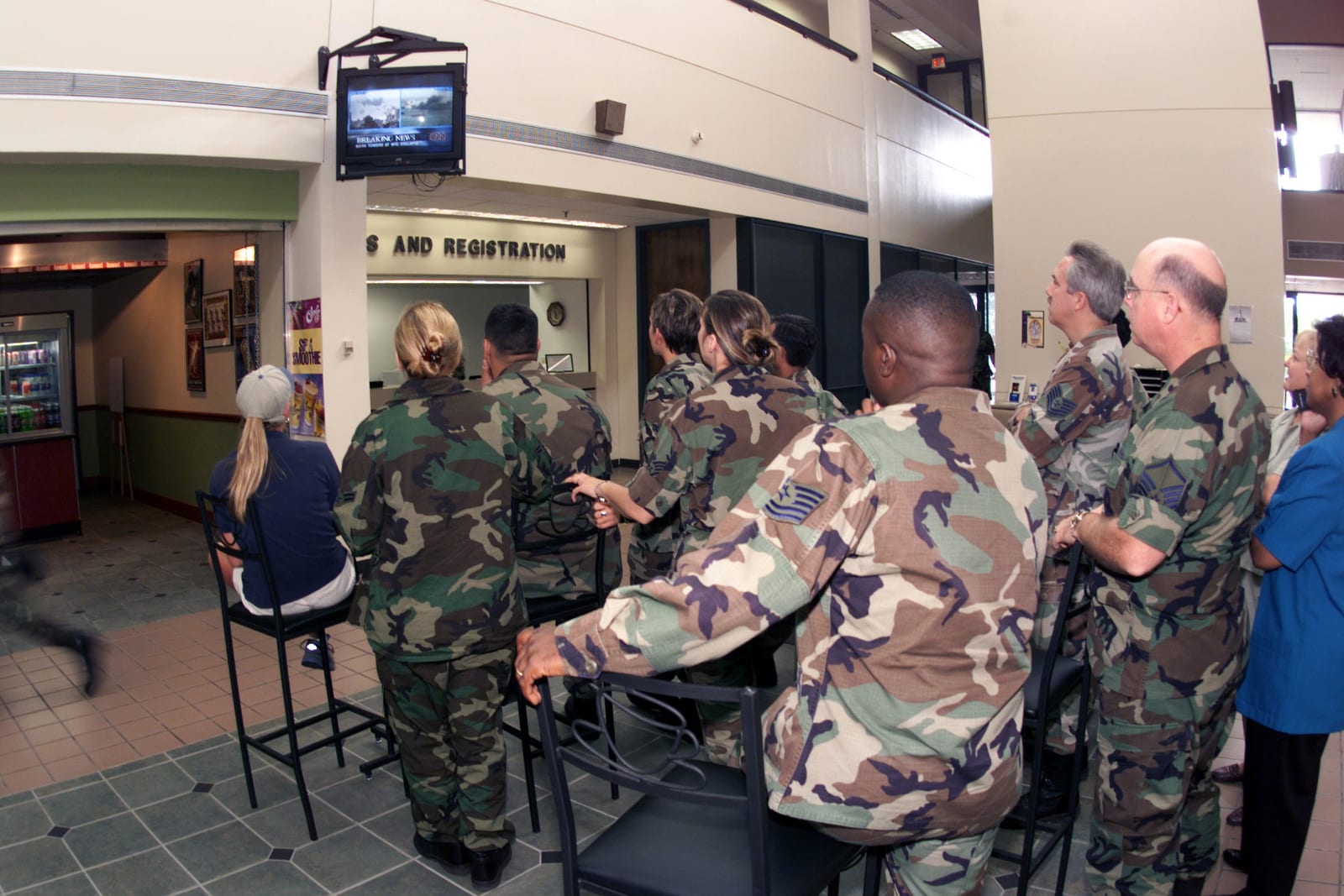
YouTube functions as what Variety describes as a "time capsule" for the live television coverage that aired on the morning of September 11, 2001. As the 25th anniversary approaches, viewers searching for footage of how the Today show, NY1, Fox News, and other outlets handled those first hours will find scattered clips and full-broadcast uploads across the platform. But understanding what you're watching requires some context that the raw footage alone won't give you.
The Moment Broadcasters Pivoted to Live Coverage
According to Variety, American Airlines Flight 11 struck the North Tower of the World Trade Center at 8:46 a.m. ET, and that moment is described as the first signal for news broadcasters to shift into sustained live coverage. If you're browsing archived clips chronologically, this timestamp is the hinge point: footage from before it typically shows normal morning programming, while everything after reflects networks scrambling to confirm what had happened and pivot their entire broadcast day.
This single data point is useful for orienting yourself in any archive, but it's worth noting that the available evidence doesn't provide a network-by-network breakdown of exactly when each channel cut to continuous coverage, what graphics appeared first, or which anchors said what in those opening minutes. Claims that go beyond this general timeline should be treated cautiously unless a specific video's own captions or descriptions confirm them.
What Made That Morning's TV Coverage Different
A Los Angeles Times feature published September 10, 2026 gathers first-person recollections from television journalists who covered the attacks, and it offers useful framing for anyone watching the archived footage today. The piece notes that in 2001 there were no smartphones and no social media, so the L.A. Times reports that what the country watched that morning came entirely through television, with journalists responsible for supplying details as events unfolded. That constraint shaped everything about the broadcasts: no crowdsourced video, no live social feeds to cross-check, just anchors and correspondents working from whatever information reached the studio or the scene in real time.
The same article notes that the visual language of cable news changed that day, as Fox News, MSNBC, and CNN all added running tickers at the bottom of the screen — a format innovation that became permanent and is now a familiar feature of any breaking-news broadcast you watch today. If you notice a ticker in archived footage, that's part of what makes this specific moment in broadcast history significant.
By nightfall, the L.A. Times reports, nearly 3,000 people were dead across lower Manhattan, the Pentagon, and a field outside Shanksville, Pennsylvania — a toll that anchors and reporters were absorbing and communicating in real time, without the benefit of hindsight the archives now give viewers.
How Journalists Balanced Reporting With Human Reaction
The L.A. Times piece includes reflections from MS NOW's Chris Jansing, who was on air that morning. Jansing recalled, "Everything seemed so perfect," describing the ordinary start to the day before it changed. She also told the paper, "You had to balance the news response with the human response," a line that captures the tension visible throughout that morning's coverage — professionals delivering facts while processing an unfolding tragedy alongside their audience.
Notably, the L.A. Times reports that Jansing has never watched the coverage of that day despite it now being available on YouTube — a detail that underscores how differently the people who lived through it on-air relate to the archived footage compared to viewers revisiting it decades later.
What This Means for Watching the Archives Today
If you're planning to watch 9/11 broadcast archives on YouTube around the anniversary, a few things are worth keeping in mind. First, no single confirmed, comprehensive index of every network's full real-time coverage exists across the available reporting, so what you find will likely be a patchwork of uploads rather than a definitive collection. Second, the 8:46 a.m. ET impact time is a reliable anchor point for understanding when coverage shifted, but specific claims about what any one anchor said or showed at a given moment should be weighed against what that particular video's own audio or description actually confirms, rather than assumed from general reporting. Finally, remembering the absence of smartphones and social media that morning helps explain the pacing and uncertainty visible in the footage — reporters were often working with less confirmed information than a modern viewer might expect, filling airtime while facts were still being gathered. Watching with that context turns raw archival footage into a clearer window on how television covered a story as it was still being understood in real time.