Do No-Fee, No-Markup Credit Cards Make Issuers Lose Money on International Purchases?
No foreign transaction fee doesn't always mean zero exchange rate markup. Here's what's actually confirmed about how these cards work and what to check.
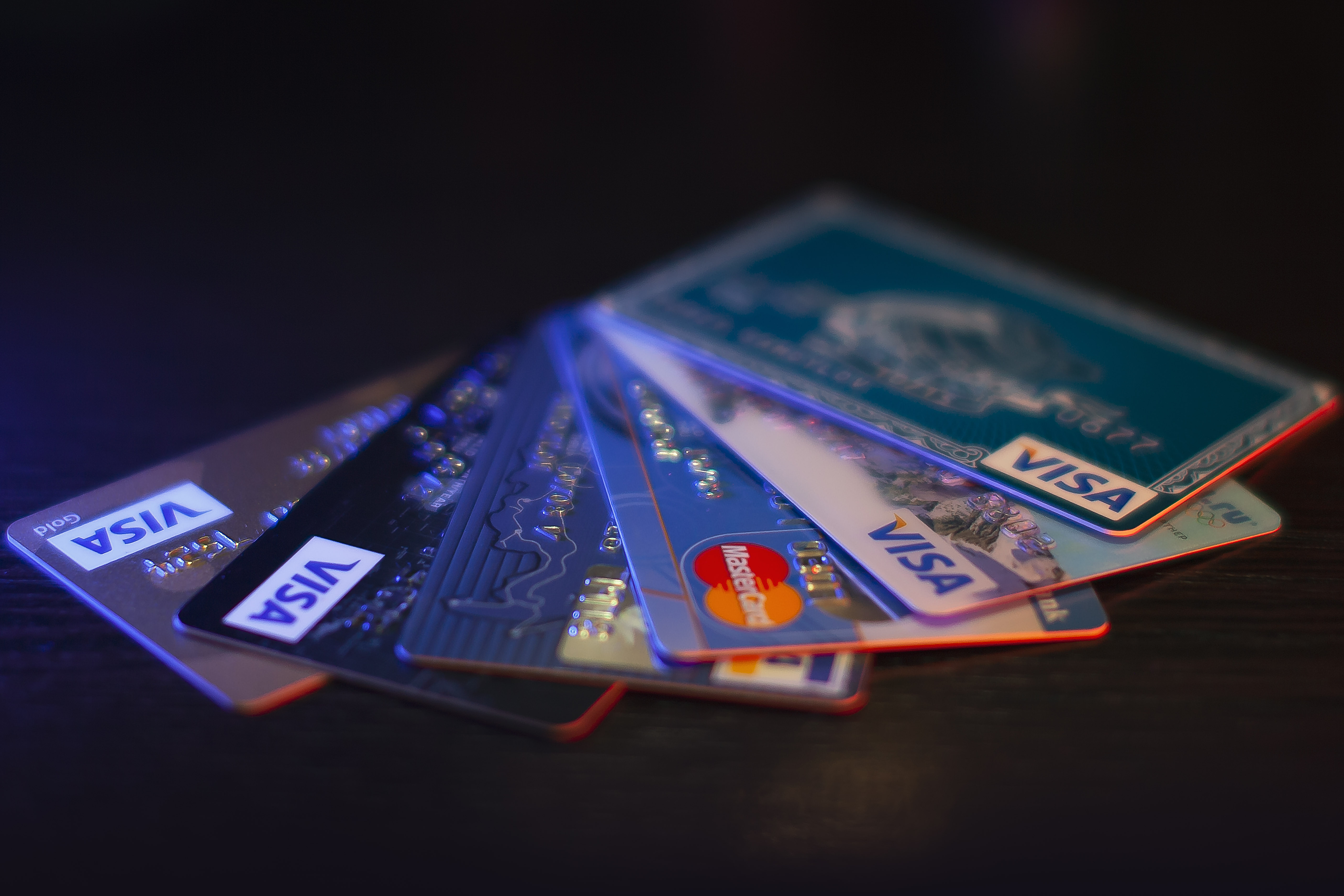
The absence of a foreign transaction fee doesn't, by itself, mean the issuer loses money on the purchase. But the existence of another revenue channel doesn't guarantee the transaction is profitable for the issuer either. Among the sources reviewed, there's no data showing US credit card issuers' actual cost or profit on international purchases specifically. What the sources do clarify is something more useful for a cardholder: a "foreign transaction fee" and a "currency exchange markup" are two different charges, and removing one doesn't automatically prove the other is zero.
Where Issuer Revenue Actually Comes From (And Why It Doesn't Settle the Question)
According to Visa's own explanation of interchange fees, "Visa uses interchange reimbursement fees as transfer fees between acquiring banks and issuing banks for each Visa card transaction" — a confirmed, real revenue channel for issuers that exists independently of any fee charged directly to the cardholder. Visa's own material also states merchants don't pay this fee directly; it moves through the transaction-processing chain to the issuer instead.
Waiving a cardholder-facing foreign transaction fee does not, by itself, eliminate potential interchange revenue. But Visa's page does not break out interchange rates for international versus domestic transactions, does not state how much of that fee reaches the issuer after costs, and says nothing about fraud risk, currency-conversion cost, or funding cost specific to cross-border purchases. So this is real evidence that issuers have a revenue path beyond the cardholder-facing fee — not evidence that international transactions, as a category, are profitable for the issuer.
What a Foreign Transaction Fee Actually Is
A foreign transaction fee is a separate charge, typically 1%-3% of the transaction amount, added on top of whatever exchange rate is applied to convert the purchase into US dollars. Capital One states it does not charge foreign transaction fees on its cards, which is a specific, confirmed claim about that fee category — but that statement, as excerpted, addresses the fee itself rather than separately confirming the exchange rate applied to the same purchase. Waiving this fee removes one line item from the transaction; it says nothing on its own about whether a second, less visible charge is also absent.
Where the Exchange Rate Markup Comes In
The exchange rate markup — sometimes called a "forex markup" — is a different mechanism. It's the spread a bank, network, or issuer adds on top of the mid-market (interbank) exchange rate. According to a general explainer, traditional banks and some providers typically add a margin of roughly 1% to 3.5% above the mid-market rate, and this markup can exist independently of whether a separate transaction fee is charged. Another source describing how international card purchases are priced notes that even on a card with no foreign transaction fee, the rate applied by the card network (Visa or Mastercard) and any additional spread from the issuing bank can still cause the final charged amount to differ from Google's quoted mid-market rate. In other words, "no fee" and "no markup" are separate claims that require separate verification.
What "Zero Markup" Claims Do and Don't Confirm
When a card advertises "zero forex markup," the general explanation available is that the issuer isn't adding its own profit margin on top of the rate it receives — but a small spread embedded in the network's own exchange rate (the rate Visa or Mastercard sets before it ever reaches the issuer) may still apply, according to a Wise explainer on forex markup terminology. That distinction matters because it means "zero issuer markup" is not necessarily identical to "the exact mid-market rate with no spread of any kind." None of the sources reviewed confirm, for any specific US card, that the total effective rate charged is mathematically identical to the mid-market rate at the moment of purchase.
How to Check Your Own Card Before Traveling
Since the sources don't resolve issuer profitability or guarantee a literal zero-spread outcome, the practical move is to verify your own card's terms rather than rely on marketing language:
- Confirm whether your card charges a foreign transaction fee at all — check your card's terms, not just the marketing page
- Look for language distinguishing "no foreign transaction fee" from "no currency conversion markup"; a card can have one without confirming the other
- If you want to sanity-check the rate, compare a recent statement charge to the mid-market rate on the transaction date (rates fluctuate daily, so use the same day)
- Don't assume a "zero markup" claim means zero spread from every party in the chain, including the payment network itself
Asking your issuer directly, or reading the cardmember agreement's currency conversion section, remains the most reliable way to know what you'll actually be charged — since that information isn't settled by the general explainers examined here.