Hope Alien Invasion Film Review: Why Critics and Viewers Are So Divided
Hope, the alien invasion film from Na Hong-jin, is splitting critics between art and schlock.
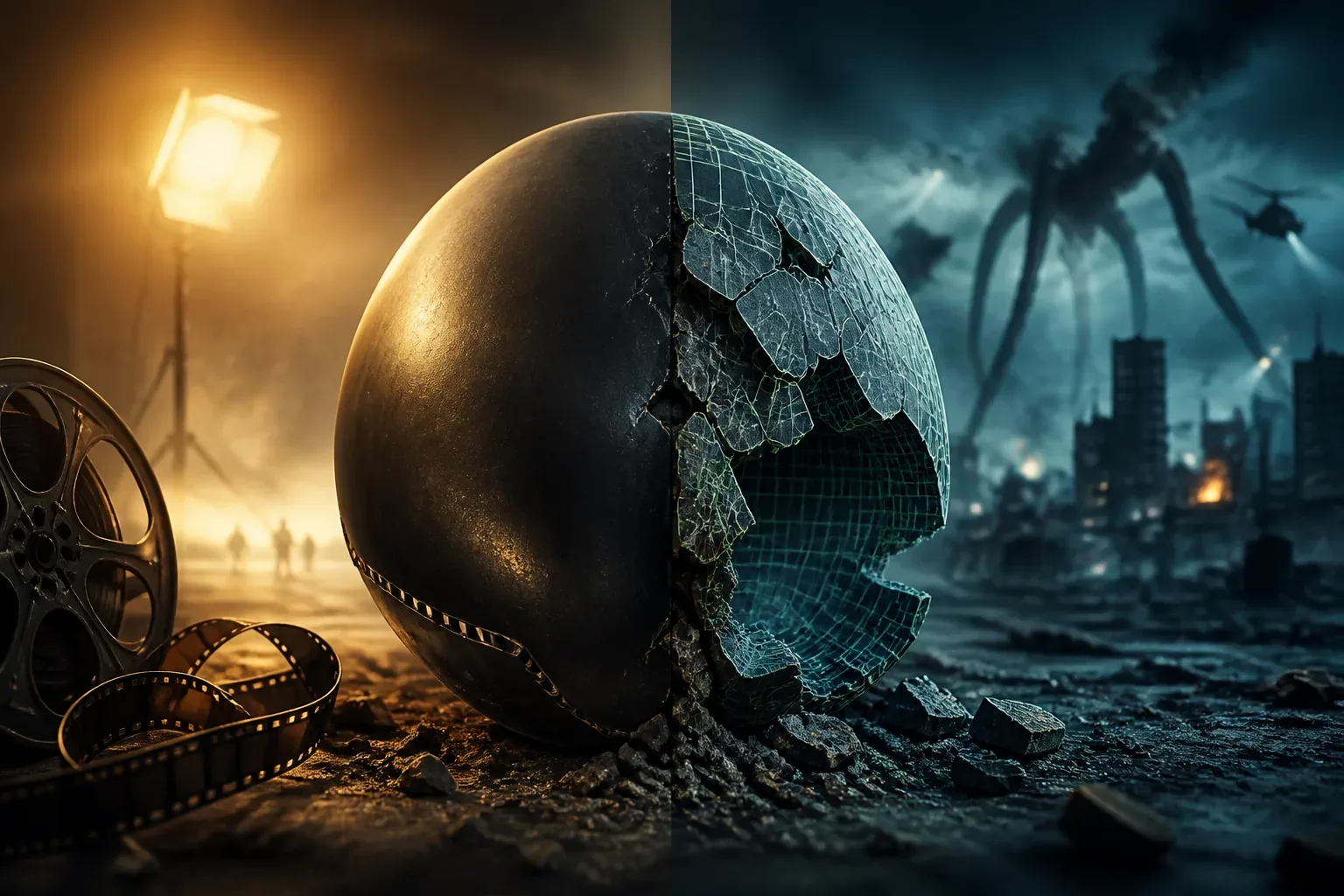
Hope, the big-budget alien invasion film, has landed as one of the more polarizing genre releases of the year — and the reviews explain exactly why. Critics broadly agree the movie swings for something ambitious, blending arthouse instincts with B-movie creature-feature thrills. Where they split is on whether that combination actually works, especially once the aliens show up on screen.
NPR framed Hope as a divisive alien invasion film that mixes art and schlock, and that framing shows up across nearly every other review of the movie. The film released in US theaters on September 9, 2026, according to Inverse, and reviews have continued to roll in through mid-September.
Where Reviewers Agree: The Action Works
Across multiple outlets, there's real consensus that Hope's momentum and set pieces are a strength, at least for most of the runtime. A review republished by wvia.org (syndicating NPR critic Justin Chang) says the CGI may be third-rate but the film still delivers exhilaratingly sustained action scenes. Deep Focus Review similarly says the first two hours of the film are strong, even as it has serious reservations about what comes after. MovieWeb reports that critics have been praising the film's non-stop action, while also noting reactions calling out poor-looking CGI — the same split showing up within individual reviews, not just between them.
Inverse points to a specific sequence as the film's high point: a stretch following a police chief racing back into town after a monster has already carved a path through it, which the review calls Hope at its best when it edges the audience. That same review also describes the film overall as a tonal hodgepodge — brilliant in parts, baffling in others — which is a useful summary of the split running through nearly all the coverage.
Where Reviewers Split: The Aliens Themselves
The sharpest disagreement centers on the creature effects once the aliens are fully revealed. Deep Focus Review is the most blunt on this point, saying the film's last portion includes laughably awful-looking CGI characters that drag the film down, and that the aliens' vague dialogue makes matters worse. The same review says the final roughly 30 minutes feel uneven compared to the strong setup.
Gizmodo offers a more granular version of the same complaint: the aliens look ethereal when standing still but uncannily off-putting in motion, which the review says can take viewers out of the film. Gizmodo also notes that action scenes involving the aliens can feel herky-jerky, as if the creatures were fast-forwarded to a different framerate than everything around them. Notably, Gizmodo also reports that this split isn't new — reviews after Hope's Cannes premiere were already divided between calling it revolutionary and dismissing it as a half-baked fun rollercoaster.
Setting, Ending, and What to Watch For
Part of what makes Hope distinctive is its setting and how it chooses to end. The NPR review republished by wvia.org describes the story as set in a fictional Hope Harbor near the border with North Korea, with surrounding countryside marked by barbed wire and undetonated land mines — a backdrop that gives the invasion story a specific political and geographic texture rather than a generic small-town setup.
That same review notes the film ends on an abruptly brief cliffhanger, and that director Na has said in interviews he's planning a sequel. That detail matters for viewers deciding whether to watch: an ending built for a follow-up film may read as unsatisfying on its own terms, independent of how one feels about the creature effects.
On aggregate scoring, MovieWeb reported Hope held a "Certified Fresh" score of 80% on Rotten Tomatoes based on 95 critic reviews counted at the time of writing — a snapshot metric that can shift as more reviews are added, rather than a fixed final verdict.
What This Means If You're Deciding Whether to See It
Putting the reviews together, the fault line is consistent: reviewers who weight the film's sustained action, atmosphere, and specific set pieces (like the police-chief sequence Inverse highlights) tend to be more forgiving of the effects work. Reviewers who weight the back-half creature reveal, dialogue, and pacing more heavily tend to come away harsher, as Deep Focus Review's account of a strong first two hours undercut by an uneven final act illustrates.
If you're choosing whether to watch Hope, the reviews suggest paying attention to three things: how you react to the aliens' appearance and movement once fully shown, whether the tonal shift from grounded thriller to full creature-feature works for you, and how you feel about an ending explicitly built to set up a sequel rather than resolve on its own. Those are the exact points where critics diverge, so they're also the best predictors of which side of the divide you'll land on.