House Passes Ratepayer Protection Act: What the Data Center Energy Bill Would Change
The House passed H.R. 9340, the Ratepayer Protection Act, 417-3, aiming to keep data center power costs off consumer bills.
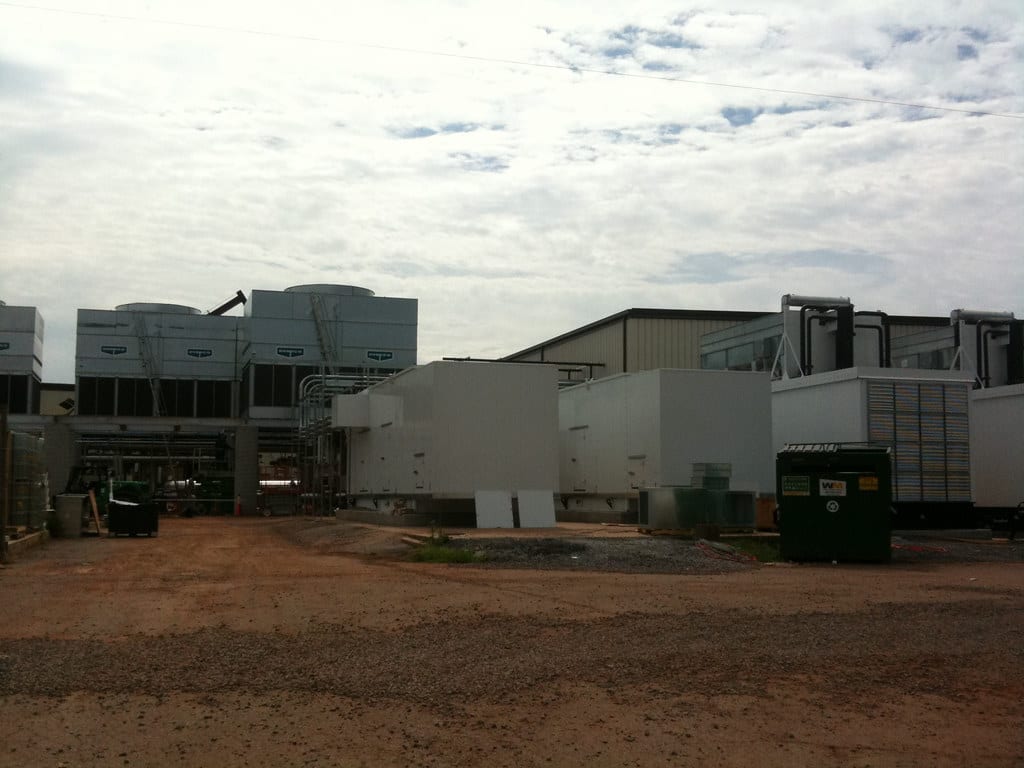
The U.S. House passed the Ratepayer Protection Act (H.R. 9340) on September 16, 2026, by an overwhelming 417-3 vote. The bill targets a specific worry: that ordinary households and small businesses could end up subsidizing the massive electricity demands of AI data centers through their utility bills. It does not change any bills today — it's a House-passed bill now headed to the Senate, according to CBS News.
What the bill actually requires
According to the House Energy and Commerce Committee's own announcement, the bill would direct state public utility commissions to consider standards ensuring that data centers pay for the electricity they use rather than shifting those costs onto other customers. This is framed as a federal recommendation, not a federal mandate: the committee's page states the approach would use existing authority under the Public Utility Regulatory Policies Act (Section 111(d)) that lets Washington encourage certain standards while preserving each state's authority to actually regulate its own electricity markets.
In practice, this means H.R. 9340 doesn't set new electricity rates or force any specific company to pay anything by itself. It asks state regulators — the bodies that already approve utility rate structures — to weigh whether large data centers should shoulder the incremental cost of new power plants and transmission lines built specifically to serve them.
Who counts as a "large" data center under the bill
The threshold described in the House committee's background material is data centers drawing more than 100 megawatts of power — the kind of large-load facilities that can require utilities to build new generation or transmission capacity just to keep up. Reporting from Digital Today describes the bill as letting states set separate rules so that if data-center growth requires new power infrastructure investment, that cost isn't automatically passed on to households or small businesses — though this characterization comes from that outlet's own reporting on the bill's provisions rather than the House committee's page directly.
Why lawmakers say this matters now
Supporters described the bill as a "modest first start" toward protecting families and businesses from higher utility bills, and House Speaker Mike Johnson said it "strikes the right balance" between protecting local communities and keeping the U.S. competitive in AI development, according to the Associated Press. The AP also cited an AP-NORC poll finding that nearly two-thirds of Americans are extremely or very concerned about data centers' impact on energy prices, and 57% are similarly concerned about the effect on water supplies — context for why this issue has bipartisan traction, though that polling reflects public sentiment rather than a measured effect of the bill itself.
The bill was introduced by Rep. Gabe Evans (R-Colo.) and is meant to push tech companies to cover the cost of new energy infrastructure built for their data centers instead of leaving consumers to absorb it, per CBS News.
What happens next — and what's still unresolved
The bill now moves to the Senate. Based on the sources reviewed here, there is no confirmation of a Senate committee assignment, a Senate vote date, or presidential action — so it is not yet law and has no current effect on utility bills or regulatory practice. It's also worth noting the bill directs state regulators to consider standards; it does not itself impose a nationwide price rule, cap, or mandatory formula for how much data centers must pay. Whether and how individual states adopt such standards would depend on decisions by each state's public utility commission after any final legislation takes effect.
For now, the practical takeaway is that the House has signaled strong bipartisan support (417-3) for the principle that data centers, not ordinary ratepayers, should bear the cost of the power infrastructure their operations require. Whether that principle becomes enforceable policy depends on what the Senate does next.