Louis Messina Urges Judge to Reject Live Nation/Ticketmaster Antitrust Settlement
Promoter Louis Messina filed comments urging a federal judge to reject the DOJ/Live Nation-Ticketmaster settlement.
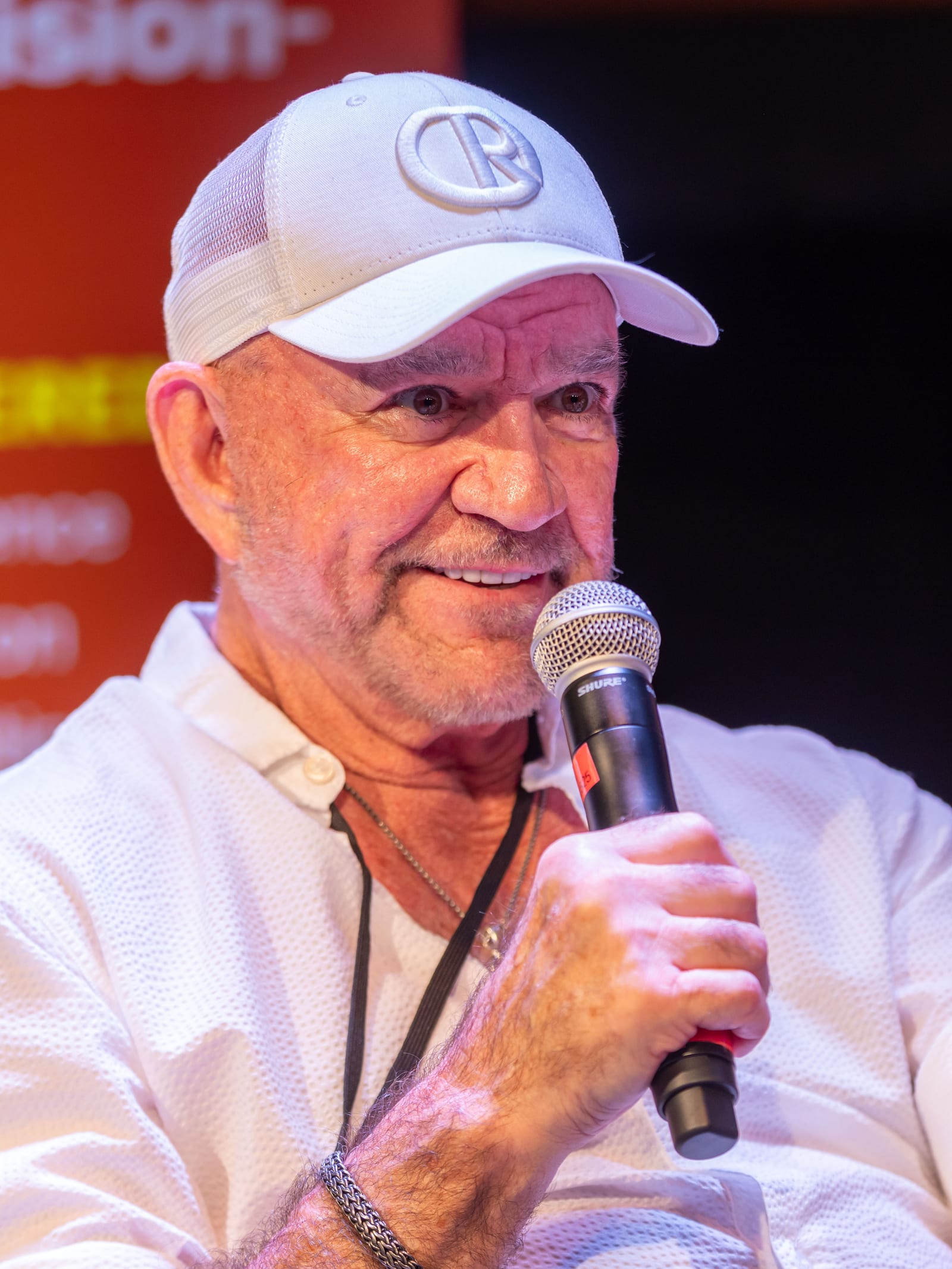
What Messina Actually Did
Tour promoter Louis Messina — whose company has promoted tours for Taylor Swift and Ed Sheeran — submitted comments to the Department of Justice urging the federal judge overseeing United States v. Live Nation Entertainment to reject the proposed antitrust settlement between the DOJ and Live Nation/Ticketmaster, according to Variety and Music Business Worldwide. Messina's comment, filed alongside AEG's, centered on promoter economics: he wrote that Live Nation makes most of its money from ticketing fees and sponsorships rather than from touring itself, and that his own arrangement with the company ended in 2024 when it stopped returning his calls after he tried to route tours through Live Nation amphitheaters. He said Live Nation began returning his calls again in 2026, after the settlement was filed, and that because Live Nation has already "turned against" him, he has little left to lose by speaking out.
Messina is not the only industry player pushing back. AEG and SeatGeek separately asked the court to reject the same settlement. Per Music Business Worldwide's reporting, AEG argues the deal does not break Ticketmaster's grip on the market but instead tightens it, since venues under exclusive contracts would still have strong incentives to stick with Ticketmaster to avoid losing Live Nation shows. SeatGeek's filing calls the settlement's competitive fix "a feeble gesture masquerading as a serious solution." Those are the companies' own stated arguments as reported, not adjudicated findings.
What the Settlement Is Reported to Include
The consent decree at the center of this fight emerged from the DOJ's antitrust case against Live Nation and Ticketmaster, reached about a week into trial. According to reporting from CBS News, The Guardian, and Music Business Worldwide, the reported terms include:
- A $280 million fund for the states that joined the settlement
- Divestment of 13 amphitheater booking agreements
- A 15% cap on service fees at amphitheaters
- A requirement that Ticketmaster open parts of its ticketing technology so rival sellers can access it
- An eight-year extension of Live Nation's consent decree
These are terms reported by news organizations describing the proposed settlement, not text from an official consent decree document included in the sources reviewed. Most states that were party to the lawsuit reportedly refused the settlement and pressed on with the litigation, which later resulted in a jury finding that Live Nation and Ticketmaster had illegally monopolized the ticketing and amphitheater markets.
Why the Settlement Is Contested
Opposition extends beyond promoters and competitors. New York Attorney General Letitia James criticized the settlement, saying it fails to address the monopoly at the center of the case and vowing to keep litigating, according to CBS News and The Guardian's reporting on her statement. Separately, CBS News reported that Judge Arun Subramanian called the settlement "entirely unacceptable" because he wasn't informed of it until late Sunday — a reported judicial comment on process, not a ruling on the settlement's merits. Per Music Business Worldwide, a public comment period on the proposed judgment has closed, and eighteen attorneys general representing 17 states and Washington, D.C. — who remain plaintiffs in the case — filed their own comments opposing the deal.
Taken together, the objections share a common thread: critics argue the settlement's structural remedies — the amphitheater divestments, the fee cap, and limited platform access — don't dismantle Live Nation's combined promotion-and-ticketing power the way a full breakup might. AEG's filing points to Live Nation's 2010 and 2020 consent decrees, arguing that similar restrictions failed for fifteen years and questioning why an eight-year version would succeed now. That is the substance of the disputes as reported; it is not a resolved legal conclusion, since no source reviewed confirms whether the judge has ruled on Messina's, AEG's, or SeatGeek's objections. Live Nation has said the filings misrepresent the settlement's terms and expressed confidence the court will approve it.
What's Still Unresolved
The sources reviewed confirm that Messina, AEG, and SeatGeek filed comments opposing the settlement, and what arguments those filings made. They also confirm that the DOJ must respond to all comments and file them with the court before Judge Subramanian rules on the proposed judgment. What the sources do not establish is when that ruling will come, whether the judge will approve, modify, or reject the settlement, or how its fee cap and technology-access provisions would work in practice if approved. Readers should treat the settlement's terms as reported and contested — not as rules currently governing ticket sales or promoter contracts.