Supreme Court Rejects New Mail-Ballot Rules: What Voters Should Do Next
The Supreme Court left in place a lower-court block on new Postal Service mail-ballot rules for the midterms.
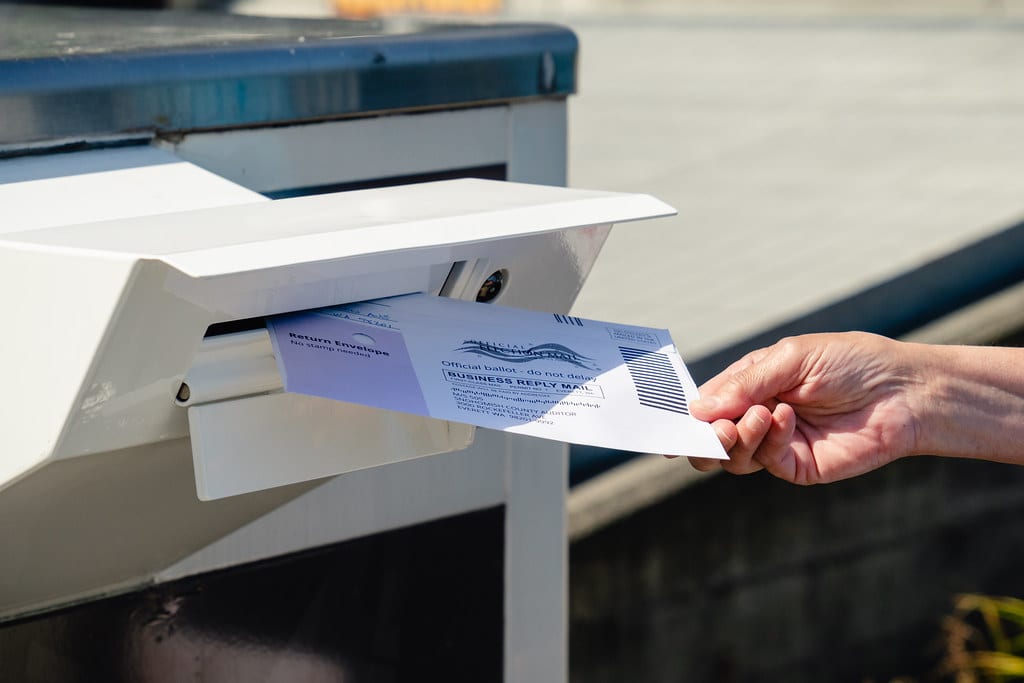
The U.S. Supreme Court has rejected the Trump administration's attempt to impose new Postal Service regulations on mail voting ahead of the 2026 midterm elections, according to ABC News. The practical result, as reported, is that a lower-court block on those rules stays in place, and states can continue running their mail-ballot programs the way they already had planned to.
What Did the Supreme Court Actually Decide?
According to CBS News, the Court left intact a lower-court decision blocking the Postal Service from enforcing the new mail-voting regulations, meaning implementation stays on hold while the underlying legal challenge continues. CBS News reports that an unsigned order stated the government was unlikely to succeed on the merits of its challenge to that injunction — though the excerpt available does not include the full text of the order itself.
The dispute traces back to an executive order Trump signed in March, which sought to require states to adopt a uniform mail-ballot envelope style and submit lists of eligible voters through an online portal, ABC News reports. CBS News adds that the disputed rules included design requirements such as unique barcodes on envelopes and would have required state and local officials to submit certain voter information through that portal.
Why This Matters for Voters Right Now
The timing was central to the concern. Mail ballots had already gone out to voters in some states, and state and local election officials had warned it would be difficult to retrofit their processes to comply with the new requirements before the midterms, CBS News reports. By leaving the block in place, the Court avoided forcing a late-cycle scramble to change ballot envelopes or voter-list procedures mid-stream.
ABC News reports that election officials in Utah, Oregon, and Nevada were quoted urging voters to trust the process and participate, framing the outcome as giving voters and officials certainty that elections would run the way they always have in each state. The Guardian similarly reports the decision allows states to keep sending mail ballots under the same processes used for years, and quotes officials and civil rights figures characterizing the injunction as preventing a last-minute overhaul of election administration. Those characterizations are statements from officials and advocates as quoted in reporting — they are not a substitute for each state's own official guidance.
What This Decision Does Not Confirm
According to the reporting reviewed, this ruling is not a final resolution of the underlying legal dispute over the Postal Service's authority to regulate mail ballots — it leaves a preliminary injunction in place while the case continues, and CBS News notes two justices dissented while a third wrote separately that the rule could still have "a fair prospect" of surviving review, just not in time for this election. The decision also does not, based on the available reporting, guarantee that every state's specific deadlines, envelope rules, or ballot-tracking systems are unaffected — those are set at the state and local level.
What Voters Should Do Next
Based on what is confirmed in reporting, the decision means voters should not expect their state's mail-ballot process to change because of the disputed Postal Service rules — states can keep using the procedures already in place. That still leaves ordinary, state-specific steps for anyone voting by mail this cycle:
- Confirm with your state or county election office whether you are already registered to vote by mail, since that process has not changed as a result of this decision.
- Check your own state's mail-ballot return deadline and preferred return method (mail versus drop box), since those are set locally and were not addressed in this ruling.
- If your state offers ballot tracking, use it to confirm your ballot was received, since this decision does not change or guarantee any particular tracking outcome.
- If you have questions about envelope requirements or verification steps, direct them to your own election office rather than assuming the disputed federal rules apply, since reporting confirms those rules remain blocked for now.
The evidence reviewed does not include state-by-state deadlines, tracking links, or rejection data, so voters should treat their own state or county election office as the authoritative source for those specifics.