Trump's MFN Drug Pricing Deals: What the Nine New Pharma Agreements Actually Mean
Trump announced nine more pharma companies joining Most-Favored-Nation pricing deals tied to Medicaid access.
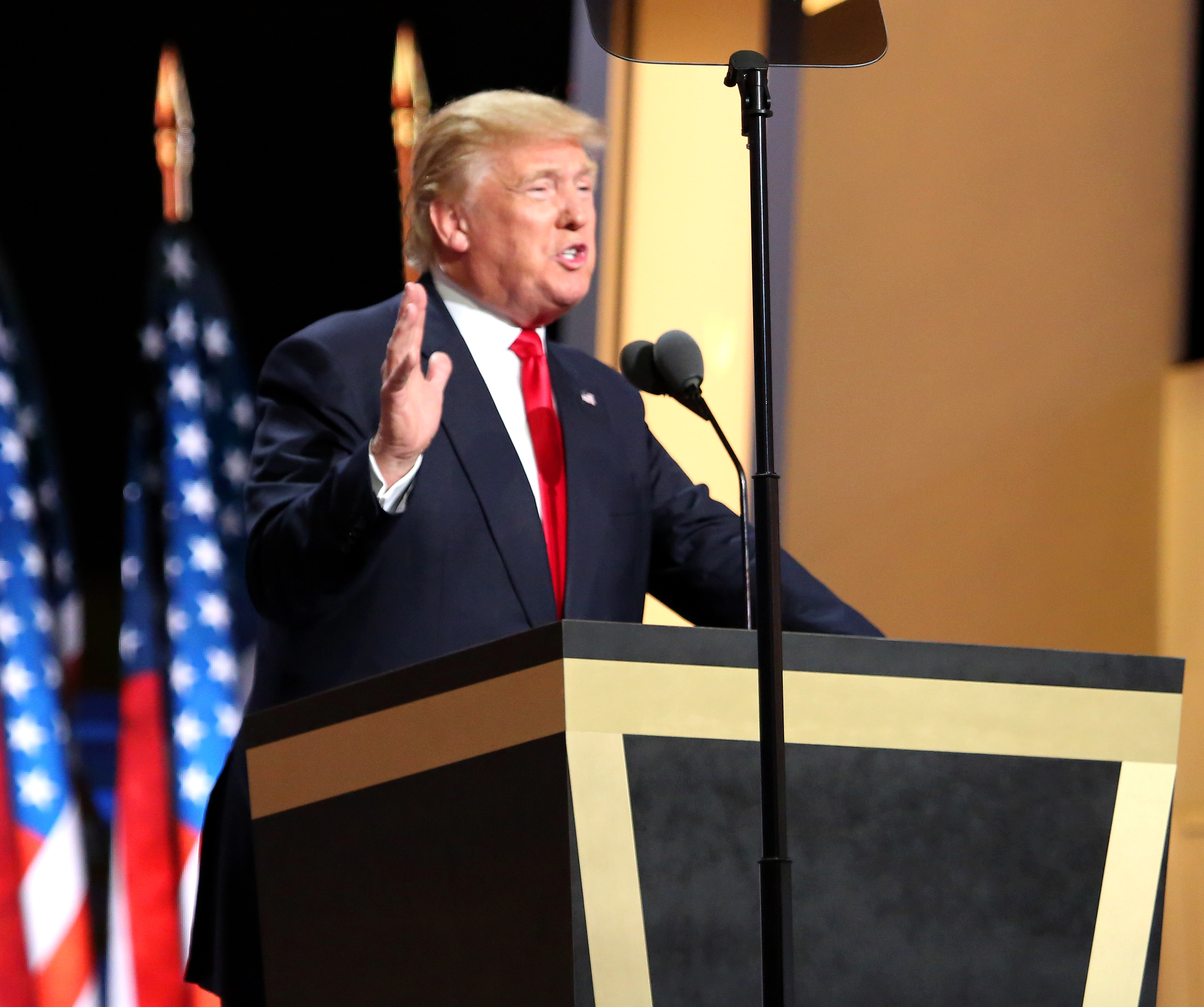
President Donald Trump announced on Aug. 31, 2026, that nine additional pharmaceutical manufacturers have agreed to Most-Favored-Nation (MFN) pricing terms, according to a White House fact sheet. The core mechanism: MFN pricing ties U.S. drug prices to the lowest prices those same drugs sell for in other developed nations. Under these new agreements, every state Medicaid program gains access to MFN prices specifically on products made by the nine companies involved.
The nine manufacturers named in the fact sheet are Alcon, Astellas Pharma, BeOne Medicines, BridgeBio, CSL, Kyowa Kirin, Sun Pharma, Teva Pharmaceuticals, and UCB. Combined with prior agreements, the White House says this brings the total number of manufacturers with MFN deals to 26, covering roughly 89% of the branded drug market.
Which Drugs and Conditions Are Covered
The fact sheet says these agreements reduce prices on medications treating a range of costly and chronic conditions, citing hemophilia, Parkinson's disease, macular degeneration, glaucoma, liver disease, skin conditions, and various cancers as examples, per the White House announcement. The announcement does not provide a complete list of specific drug names or dosages affected, so patients on medications from these nine companies would need to check with their manufacturer or pharmacy for confirmation of which products qualify.
What the White House Says About Savings and Investment
The fact sheet states that the nine companies committed to invest at least $19.6 billion collectively in U.S. manufacturing in the near term, and that several companies agreed to donate active pharmaceutical ingredients to the Strategic Active Pharmaceutical Ingredients Reserve (SAPIR). The administration's Council of Economic Advisers estimates total savings from all MFN deals combined could reach $600 billion over the next decade, according to the same official fact sheet. CBS News reported that Trump characterized this as savings of more than $600 billion, echoing the administration's own projection rather than an independently verified figure.
The fact sheet also notes the administration's separate TrumpRx.gov website, launched Feb. 5, 2026, where patients can access discounts on many medicines. That website predates and is distinct from the Aug. 31 announcement, though the White House frames both as part of the same broader drug-pricing push.
Why Independent Estimates Differ From the White House Figure
Separate from the administration's projections, MedPage Today reported on a JAMA-published research letter examining an MFN-based Medicaid pricing model called GENEROUS, which estimated potential savings of $8.6 billion across 47 states and Washington, D.C. That same research reportedly found the model would not change cost-sharing amounts for Medicaid beneficiaries, which are typically limited to nominal amounts already. This academic estimate is far smaller than the administration's $600 billion figure and reflects a different, narrower model—it is not a verification or rebuttal of the White House's own projection, since the two are measuring different things.
What Remains Unclear for Medicaid Enrollees
Among the sources reviewed, the White House fact sheet confirms the agreements, the nine company names, and the stated goal of state Medicaid access to MFN pricing. What it does not spell out is the mechanical process by which state Medicaid programs will implement these prices, when enrollees might see effects at the pharmacy counter, or whether savings flow through rebates, direct price changes, or another channel. The announcement also does not specify a start date for when Medicaid programs must adopt these MFN prices.
Enrollees currently taking medications from the nine named companies should watch for state Medicaid agency guidance rather than assume immediate price changes, since the fact sheet describes an agreement and stated intent rather than a detailed implementation timeline. As with earlier rounds of MFN deals, the practical effect on any individual patient's out-of-pocket costs will likely depend on decisions made at the state level in the months following this announcement.