Trump's Venezuela Oil Deal: What the 65 Billion Barrel Agreement Actually Means
Trump says the U.S. entered a deal with Venezuela covering 65 billion barrels of oil reserves.
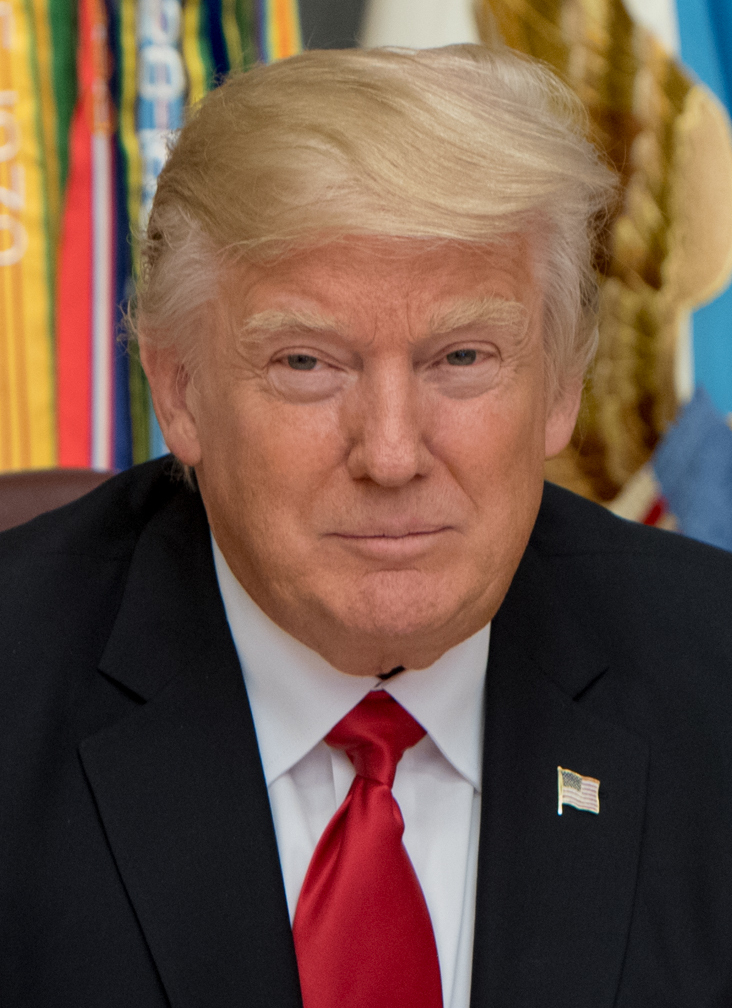
President Trump said on social media that the United States has entered a sweeping agreement with Venezuela, one he described as giving the U.S. access to vast amounts of Venezuela's untapped oil reserves "at cost," as NPR reported on August 28, 2026. That is the confirmed core of the news: Trump made this announcement. Everything else — the specific numbers, structure, and timeline — comes from reporting that attributes details to Venezuela's acting president and to an unnamed U.S. official, not from a public contract text.
What the Deal Reportedly Covers
According to Venezuela's acting president Delcy Rodríguez, as NPR reported, the arrangement involves developing 17 oil fields with a proven potential of 65 billion barrels. A U.S. official familiar with the deal's contours, speaking anonymously, told reporters the agreement lets the U.S. partner with an unnamed private operator to form a new private company that would hold the reserves, with Rodríguez granting that company 100-year development rights. That same reporting says the arrangement gives the U.S. an effective 55% share of the new company's output, including an ownership stake and the right to buy oil at cost. Al Jazeera's account, citing Rodríguez's televised address, describes the deal as lasting 25 years, preserving Venezuelan "ownership of and sovereignty" over the resources, and targeting initial production of 1.5 million barrels per day.
Who Gets What — According to Rodríguez
The financial figures circulating come directly from Rodríguez's public statements, not from an independently verified contract. She said the deal could draw $100 billion in investment into Venezuela's oil industry and yield more than $209 billion in taxes for Caracas, per NPR. Al Jazeera's reporting adds a specific formula attributed to her: $19 from every barrel produced and sold to the U.S. would flow to Caracas, a figure she said could total $209 billion annually depending on oil prices. On the U.S. side, a U.S. official told reporters oil purchased from the new company would go toward refilling the Strategic Petroleum Reserve and toward military use. That context matters because, per the same NPR report, the SPR fell below 300 million barrels in early August 2026, down more than 100 million barrels since the start of the year.
Why Gas Prices Likely Won't Move Soon
Even if every reported term holds, multiple experts cited by NPR warn that a substantial boost in Venezuelan production will not happen quickly, because repairing and expanding the country's oil infrastructure takes years and billions of dollars. The same reporting notes that persuading major American oil companies to return could face resistance tied to political uncertainty and decades of infrastructure damage — NPR points to ExxonMobil CEO Darren Woods having called Venezuela "un-investable" at a meeting shortly after Maduro's ouster, without citing any updated Exxon position since this deal was announced. Separately, Al Jazeera reports it remains unclear how quickly oil from this arrangement could reach the Strategic Petroleum Reserve or produce any near-term benefit for U.S. drivers at the pump.
What's Still Unresolved
The deal's terms — the 100-year rights, the 55% output split, the 25-year duration, the $19-per-barrel formula — all trace back to statements from Rodríguez or an anonymous U.S. official relayed through news reporting, not a published treaty, contract, or U.S. government legal document available in current reporting. Whether Congress, U.S. courts, or Venezuelan institutions have formally reviewed or ratified any agreement is not addressed in the sources reviewed. How this interacts with existing U.S. sanctions policy toward Venezuela, and which company would serve as the private operating partner, also remain unspecified in the reporting available. Readers should treat the 65-billion-barrel figure, the ownership percentages, and the revenue projections as reported claims from involved parties rather than independently confirmed facts, at least until an official U.S. or Venezuelan government document becomes publicly available.