Venice Documentary ‘My Undesirable Friends: Part II — Exile’ Explained: What It Shows About Press Freedom Under Putin
Julia Loktev's Venice documentary sequel follows exiled Russian journalists.
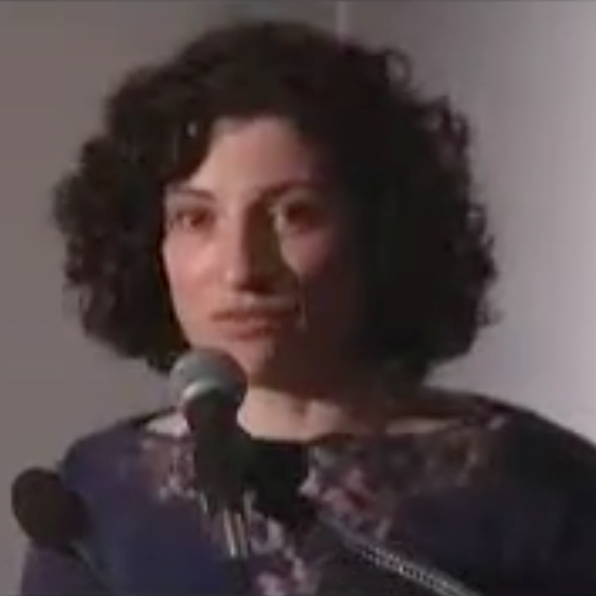
"My Undesirable Friends: Part II — Exile" premiered out of competition in the Venice Film Festival's Open strand on Sept. 4, 2026. Directed by Julia Loktev, the documentary follows independent Russian journalists who fled the country after the full-scale invasion of Ukraine in 2022 and tries to show what happens to press freedom once reporters are forced out of their own country. It's a sequel, continuing the story Loktev began with an earlier chapter about journalists working inside Russia before their exile.
What the film actually shows
According to Meduza's feature on the film, "Exile" follows journalists from TV Rain, iStories, and Novaya Gazeta as they find themselves scattered outside Russia after 2022. Screen Daily's review describes the film spanning several years and multiple cities—Tel Aviv, Tbilisi, New York, and elsewhere—as it tracks these journalists trying to rebuild professional lives abroad. One thread follows TV Rain's operation in Latvia, where the outlet struggles to report on Russia from outside the country's borders.
Screen Daily's review also notes that the exiled journalists "do not feel much safer" in their new homes, describing chilly receptions from locals who sometimes assume the journalists support the war they fled. That's a specific observation from the reviewer about the film's content, not a broader claim about conditions for journalists generally.
The film reportedly includes a segment shot in Washington, D.C., connected to Donald Trump's 2025 inauguration, according to Screen Daily. That detail is part of how the film draws a line between Russia's press crackdown and events unfolding in the U.S., though the review doesn't specify what the segment argues beyond its inclusion. Loktev has previously shot vérité-style footage using an iPhone, per the same review, a technique the film reportedly continues.
Why coverage frames this as relevant to the U.S.
Variety's coverage of the film, including its headline, positions the film's themes around the "death of press freedom" in Putin's Russia and frames the crackdown narrative as a warning applicable to the U.S. That framing is clearest in how Variety has chosen to headline and position its reporting; the excerpt available doesn't lay out the director's own words on the point in detail, so it's more accurate to describe this as Variety's editorial framing than as a fully quoted argument from Loktev. The film itself, based on the available reviews, focuses on the lived experience of Russian journalists in exile rather than making explicit claims about American institutions.
It's worth separating these two things clearly: the documentary's confirmed content is about Russian journalists and their post-2022 exile, while the "warning for the U.S." angle is an interpretation offered in coverage. Readers shouldn't treat that framing as evidence that any specific U.S. policy or event mirrors what's shown in Russia—the sources reviewed don't establish that equivalence as fact.
What's still unclear
A specific U.S. theatrical release date, precise streaming date, or full distribution schedule for "Exile" wasn't confirmed among the sources reviewed. Screen Daily's review reports that a U.S. rollout begins in October through Mubi, and other background material describes Mubi as having acquired distribution rights, but exact dates and the full scope of that rollout weren't detailed in what was reviewed. Wikipedia's entry describes the same exile premise but, as a secondary summary rather than an official source, doesn't add confirmed distribution details beyond what's noted above.
It's also unclear from the available coverage exactly how much runtime or how many discrete segments the film devotes to the Washington, D.C. material versus its core Russia-to-exile narrative—reviewers mention the segment but don't quantify its scope.
What this means for readers now
If you're trying to understand what the film says versus what commentary says about it, keep the distinction simple: the documentary itself is a character-driven account of specific journalists navigating life after fleeing Russia. The "warning for the U.S." reading comes primarily from how outlets like Variety have framed their coverage, not from an independent confirmation that press freedom conditions in the U.S. match what's depicted in Russia. For now, the practical next step is watching for further distribution details, since only a general October rollout through Mubi has been reported and no specific date or full release plan was confirmed in the sources reviewed.