Wendell Berry Dies at 92: The Legacy of a Poet-Farmer Who Warned America About Industrial Agriculture
Wendell Berry, the Kentucky farmer-writer, has died at 92.
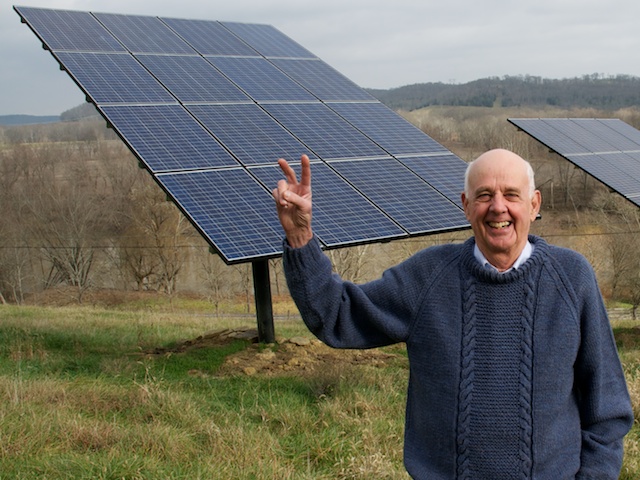
Wendell Berry, the Kentucky-born poet, novelist, essayist, and farmer whose decades of writing challenged industrial agriculture and championed simpler, community-rooted living, has died at age 92, according to reporting from NPR and ABC News. His daughter, Mary Berry, confirmed he died at his home in Port Royal, Kentucky, per The Guardian. A cause of death was not stated in the sources reviewed.
Who Was Wendell Berry?
Berry spent much of his life farming a hillside plot in Kentucky while producing more than 40 books across poetry, fiction, and essays, as described in the ABC News and Guardian obituaries. Rather than treating farming and writing as separate pursuits, he used his own agricultural life as the material and the argument for his work, portraying rural communities and land stewardship as under threat from consolidation and mechanized farming. Reporting describes him running an organic farm with his wife for decades and installing solar units in 2005, and joining a 2011 sit-in at the Kentucky governor's office to protest strip-mining, per the same coverage. These details come from obituary reporting rather than a primary official record of the events themselves.
What He Believed—and Why It Mattered
Berry's central argument, most fully developed in "The Unsettling of America" (1977), held that the consolidation and mechanization of American agriculture violated a natural order, according to the AP-based summaries carried by ABC News and The Guardian. He argued that industrial farming severed people from the land and from each other, and that a healthier society required smaller-scale, community-rooted agriculture. This wasn't framed as a technical policy critique but as a moral and ecological one—an argument that eating, working, and living well were inseparable from how land is treated. Food writer Michael Pollan is reported to have said Berry's declaration that "Eating is an agricultural act" changed his life, and chef Alice Waters is reported to have named Berry a favorite author and written an introduction to his 1989 essay "The Pleasures of Eating," per the ABC News summary. Those attributions come from the obituary reporting rather than from primary statements by Pollan or Waters included in the sources reviewed.
Key Works to Know
For readers approaching Berry for the first time, the reporting points to a few entry points. His novels "Nathan Coulter" and "A Place on Earth" follow the fictional Port William community that recurs throughout his fiction, per ABC News and The Guardian. His poetry anthology "A Timbered Choir: The Sabbath Poems 1979-1997" collects decades of Sunday reflections written while walking his farm. And "The Unsettling of America" remains his most cited nonfiction argument against industrial agriculture. Together, these works span the three forms—fiction, poetry, and essay—that made up his career, each returning to the same conviction that land, community, and daily life are bound together.
What's Still Unknown
The sources reviewed confirm Berry's age at death, the location, and his daughter's confirmation, but they do not state a cause of death. Details beyond what's cited above—such as funeral arrangements, survivors, or forthcoming tributes from literary or environmental organizations—were not present in the reporting reviewed and should be treated as unknown rather than assumed absent.