West Bank Level 3 Travel Advisory: What Travelers Can and Can’t Do Now
The State Department's West Bank advisory is Level 3 (Reconsider Travel) as of Aug 26, 2026.
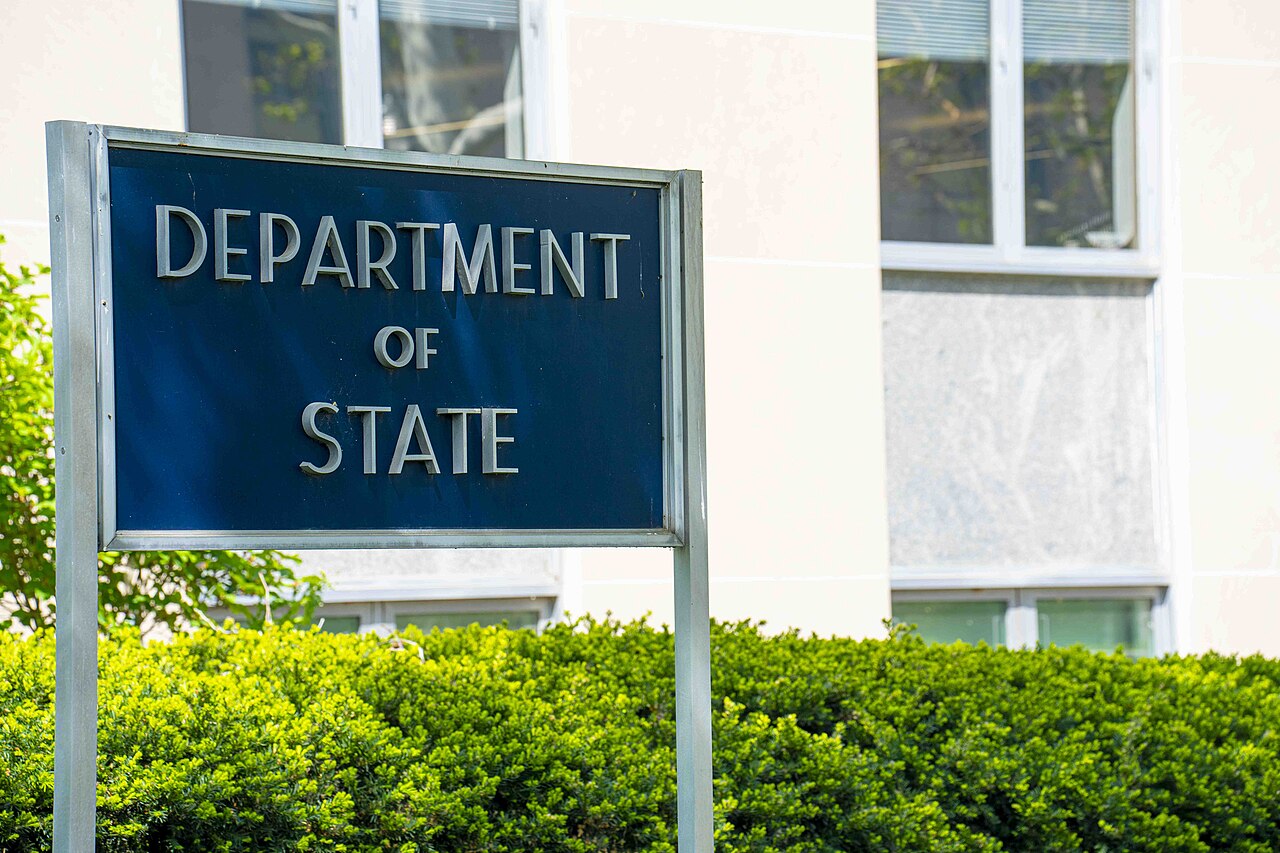
The U.S. Department of State's West Bank travel advisory sits at Level 3, "Reconsider Travel," as of August 26, 2026. The official advisory page cites an increase in terrorist attacks over the last year, ongoing risk of terrorist violence, and increased violence and Israeli military operations in the West Bank, adding that some incidents have resulted in injury or death of U.S. citizens. The advisory also notes that during periods of unrest, the Israeli government may restrict access to and within the West Bank, and some areas may be placed under curfew.
What the Advisory Actually Restricts
The route and timing rules in the advisory apply specifically to U.S. government employees working in Israel and, where applicable, their family members — not to travelers generally. Per the State Department advisory, those employees must obtain special authorization for official travel to the West Bank, and personal travel is restricted except for listed exceptions. Under those exceptions, employees (and covered family members) may use Routes 1, 90 (to the Allenby Bridge crossing), and 443 at any time — a permission also referenced by OSAC's security alert. Travel to Jericho and Bethlehem, including Beit Jala and Beit Sahour, is permitted from dawn to midnight. Checkpoint 300 near Rachel's Tomb is described as the only permitted and accessible route into Bethlehem for this group, tied to continued checkpoint closures elsewhere in the West Bank. The advisory warns additional movement restrictions can be imposed on these employees with little to no notice. The State Department's guidance does not state a separate route framework for tourists or other non-government travelers, so that detail is unknown among the sources reviewed.
What the Advisory Tells You to Do
Beyond restrictions, the advisory lists concrete actions. It recommends enrolling in the Smart Traveler Enrollment Program (STEP) for embassy alerts, reviewing the Country Security Report for Israel, West Bank and Gaza, maintaining situational awareness especially at checkpoints, avoiding demonstrations and crowds, and having an emergency exit plan that does not rely on U.S. government assistance. It also suggests learning the location of the nearest bomb shelter and downloading emergency alert apps available within Israel, plus checking CDC travel health information and using the International Travel Checklist. A related U.S. Embassy Jerusalem alert reinforces heightened caution across the region.
The Insurance Guidance — and What It Doesn't Say
The advisory itself is specific but limited on insurance: it says the State Department "highly recommends" buying travel insurance before departure and advises checking with your provider about evacuation assistance, medical insurance, and trip-cancellation coverage. It does not name any insurer, policy, or credit-card benefit, and it does not state whether family members or companions are automatically covered under any particular plan. Whether a credit card's travel insurance extends to family members is a policy-specific question that isn't answered by this advisory, and no source reviewed here confirms it one way or another — treat it as unknown until you read your card's actual benefits guide or call the issuer.
A Practical Checklist Before You Decide
Because coverage terms vary by provider and the advisory doesn't specify them, ask your insurer or card issuer directly:
- Does the policy cover medical evacuation specifically for a Level 3 destination, and does it exclude "reconsider travel" zones?
- Is trip cancellation covered if the advisory level rises, or only if it reaches Level 4?
- Are traveling companions or family members covered under the same policy, or do they need separate enrollment?
- What documentation is required to file an evacuation or cancellation claim?
- Does coverage change if travel involves the specific routes or checkpoints named in the advisory?
Also enroll in STEP, since the advisory ties safety updates to that program, and recheck the official advisory page close to your travel date, since route permissions and restrictions can change with little notice.