What the Latest U.S.-Iran Strikes Mean for Oil Supplies and Maritime Safety
U.S. and Iran resumed strikes near the Strait of Hormuz, with tanker incidents reported and oil prices rising.
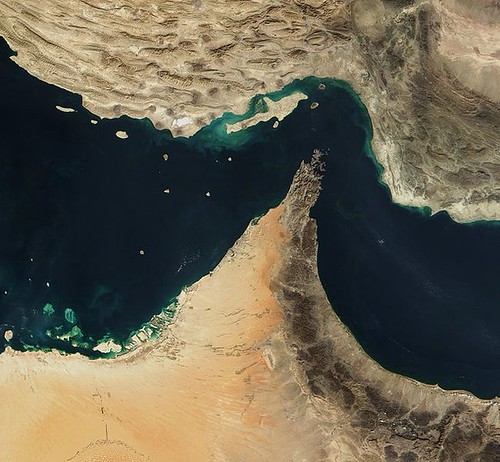
The U.S. and Iran resumed direct military exchanges on August 31, 2026 after more than a month of relative quiet, and the immediate ripple effects are showing up in oil prices and shipping risk assessments rather than in any confirmed supply shortage. U.S. Central Command described its action as a "limited, precise" strike on Iranian Revolutionary Guard Corps (IRGC) minelaying forces in the Strait of Hormuz, while the IRGC claimed missile strikes caused "heavy damage" to Jordan's King Hussein and al-Azraq bases — a claim reported but not independently confirmed in the available reporting.
What's Confirmed vs. What's Reported
The strikes themselves, and the fact that oil prices rose afterward, are confirmed by multiple outlets. Brent and WTI crude climbed as traders priced in supply-disruption fears following the renewed exchange of attacks, with a similar move noted as strikes continued into the following session, described as stoking supply fears. Separately, CBS News reported that two oil tankers transiting the Strait of Hormuz were struck by projectiles, though the source and full extent of that damage rely on maritime risk organizations relaying the incident rather than a single verified official account. These are two distinct facts — a market price reaction and a reported tanker incident — and neither one proves the other caused a physical supply shortfall.
Why Oil Prices Are Reacting Even Without a Confirmed Shortage
Oil markets move on expectations, not just realized supply. The Strait of Hormuz is a chokepoint for Gulf exports, so any reported attack near it tends to move prices even before cargo volumes actually change. Notably, the White House claimed there is no sea mine threat in the strait and that Gulf exports of up to 10 million barrels per day continue under maritime control — a claim the same report notes most market participants and satellite tracking data do not support. That disagreement itself is a reason for price volatility: traders are reacting to uncertainty about what's actually happening in the strait, not to a confirmed blockade.
What's Happening to Shipping Traffic and Insurance Costs
Shipping data cited from Kpler shows visible commercial vessel traffic through the strait fell to roughly five ships per day, below prior typical flow — though how much of that reflects rerouting versus reduced reporting visibility isn't specified in the source. Separately, a maritime insurance analysis explains the underlying mechanism shipowners face in conflict zones: war-risk premiums are a major factor in whether owners choose to transit at all, and elevated rates can add hundreds of thousands of dollars per week in additional costs for vessels operating in covered zones, with premiums in some cases running near 1% of a ship's hull value per port call. That analysis focuses on the Russia-Ukraine conflict as its primary case study, so it illustrates how war-risk pricing works generally rather than confirming a specific new premium increase tied to this week's Hormuz incidents.
What to Watch Next
amid the reported incidents and price moves, several specifics remain genuinely unconfirmed among the sources reviewed: whether tanker traffic volumes recover, whether additional attacks are confirmed by an official maritime authority, and whether insurers have actually repriced war-risk coverage for Hormuz transits specifically. Readers tracking this should watch for:
- Updated daily vessel-transit counts through the strait
- Any official incident confirmation from a maritime safety authority
- Reported changes in war-risk insurance quotes tied specifically to Hormuz routes
- Official U.S. or Iranian statements clarifying strike targets and outcomes
Until those details firm up, the safest framing is that strikes and reported tanker incidents have raised concern and moved prices, not that a supply cutoff or confirmed safety crisis is underway.