What to Watch as Republicans Gather in Dallas for Trump's Unusual Midterm Convention
Republicans are holding a rally-style, two-day midterm convention in Dallas with no nominations at stake.
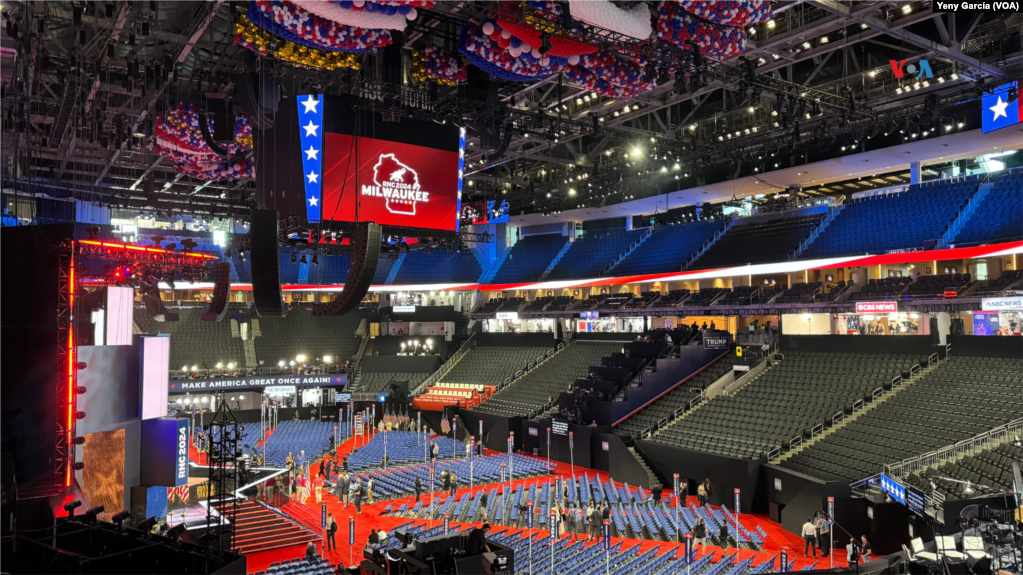
Republicans are holding a two-day event in Dallas this week that looks like a convention but isn't one in the traditional sense. There's no delegate roll call and no nominee to crown — primaries already settled who's running — so what happens on stage is really about messaging heading into the 2026 midterms, not party business. Here's what matters as it unfolds.
Why This Isn't a Normal Convention
Traditional party conventions exist to formally nominate a presidential candidate. This one doesn't need to, because it's a midterm year and primary voters already picked the House and Senate candidates who'll appear on ballots this fall, according to the Associated Press. Political science researchers quoted by KERA News describe the gathering as functioning more like a massive campaign rally than a conventional party convention — a framing that helps explain the format: rousing speeches and message discipline rather than procedural votes. Those researchers also told KERA the event could have a negligible impact on polling, and that even a typical convention's usual bump in the polls tends to fade quickly, meaning Dallas is unlikely to reshape the midterm landscape on its own.
Who's Speaking and When
According to the Associated Press, Trump is scheduled to speak on both nights of the event. Wednesday features a keynote address from the president, while Thursday includes a speech from Vice President JD Vance followed by another appearance from Trump. The broader speaker lineup includes members of Trump's Cabinet, such as Health Secretary Robert F. Kennedy Jr. and Treasury Secretary Scott Bessent. An anonymous source familiar with the event told the AP that more than 100 Republican House members and candidates are expected to attend, and that those members and candidates were required to pay $25,000 for tickets and lodging — a detail that underscores how the event doubles as a fundraising and base-building exercise ahead of November.
The Messaging to Listen For
The AP reports the program is expected to center on Trump's agenda: his immigration crackdown, efforts to lower prescription drug prices, the sweeping tax cuts and spending law he signed last year, and tariffs. Speakers are also expected to make a partisan case against Democrats, a staple of midterm-year messaging aimed at energizing the party's base rather than persuading undecided voters through policy detail alone.
NPR frames the stakes more broadly, noting that money and messaging are the two forces likely to determine how the 2026 midterms unfold. In that light, NPR describes the Dallas gathering as an unprecedented midterm convention — one that brings together battleground nominees and Trump administration officials with two goals: energizing a base that polling suggests has grown less enthusiastic, and sending a signal to independent voters about why Republicans should keep control of Congress for two more years.
The Headwinds Republicans Face
Not every issue on voters' minds fits neatly into the convention's planned messaging. KERA News reports that researchers pointed to voter concerns such as the war in Iran and high prices for groceries, gas, and housing as issues that could be difficult for the GOP to address convincingly from a convention stage. That gap between voter priorities and the event's scripted themes is one reason experts quoted by KERA were skeptical the convention alone would move public opinion much.
The Bottom Line
Dallas won't produce a nominee, a platform vote, or any of the traditional trappings of a party convention. What it will produce, according to the reporting reviewed here, is two nights of speeches designed to rally Republican candidates and donors around a shared set of talking points — immigration, drug prices, tariffs, tax cuts, and attacks on Democrats — ahead of a midterm election where money and messaging, not conventions, are expected to matter most. Viewers watching for signals about the 2026 race should pay closer attention to which themes get repeated across speakers than to the event's format itself.