Tim Curry Dies: The Dr. Frank-N-Furter Performance That Defined Rocky Horror
Tim Curry has died. Here's what made his Dr. Frank-N-Furter role in The Rocky Horror Picture Show iconic, and why the cult film still resonates today.
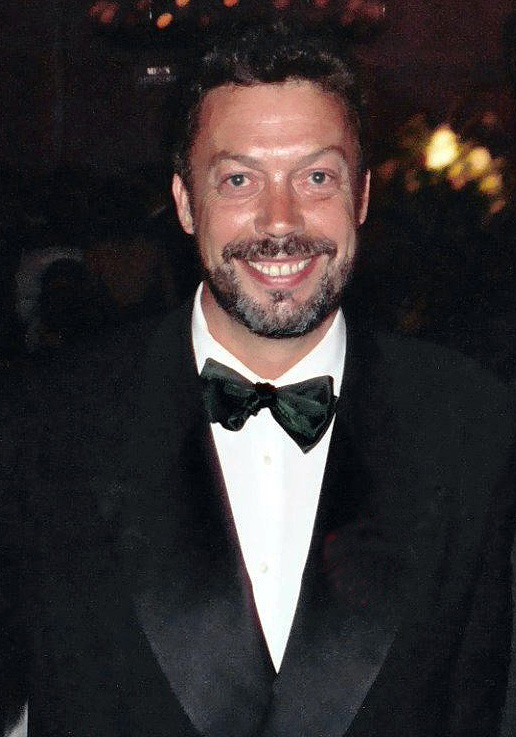
Tim Curry died on August 25, 2026, as reported by NPR and echoed in coverage from Entertainment Weekly and Yahoo. None of the sources reviewed include an official statement detailing the cause of death, so that detail remains unknown here. What the coverage agrees on is Curry's singular association with one role: Dr. Frank-N-Furter in the 1975 film The Rocky Horror Picture Show, the performance NPR's obituary headline says defined the movie itself, calling Curry the actor "who defined 'The Rocky Horror Picture Show.'"
From the Stage to the Screen
According to The Guardian, the 1975 film was the screen version of a 1973 stage show, and Curry's performance as the corseted, fishnet-clad "sweet transvestite" scientist carried over from that theatrical origin. The role required Curry to sing, seduce, and command a room with equal parts menace and camp, and it became the character most audiences associate with him even decades later. Yahoo's recap of Curry's most iconic roles places Frank-N-Furter alongside his later turn as Pennywise in the 1990 TV adaptation of Stephen King's It, but even that widely remembered horror role hasn't displaced Frank-N-Furter as his signature part.
Curry's range extended well beyond those two performances. A transcript from WEKU notes that he also voiced or played characters including Long John Silver in Muppet Treasure Island, part of a career built on what the outlet describes as always "committing to the bit" — a phrase used to characterize how fully Curry threw himself into each role, inviting audiences into the performance rather than simply delivering lines.
Why the Film Became a Cult Phenomenon
The Rocky Horror Picture Show didn't become a cultural fixture through ordinary box-office success. As The Guardian describes it, the film became a cult movie sustained by midnight screenings and long-running audience-participation rituals — moviegoers dressing as characters, shouting call-back lines, and treating theaters more like communal theater than passive viewing. That ritual culture, built up over decades, is central to why the film has stayed in circulation and conversation long after its initial release.
Notably, that lasting popularity wasn't apparent right away. Yahoo reports, citing a New York Post account of Curry's own recollections, that he was reportedly devastated by the film's initial perceived failure. The movie's transformation from a disappointment into a beloved cult classic happened gradually, driven by the very midnight-screening audiences who turned it into a participatory tradition rather than a conventional theatrical release.
Reflecting on the Legacy Before His Death
Entertainment Weekly reported that Curry reflected on the legacy of his Dr. Frank-N-Furter role months before his August 25 death, though the available reporting does not detail the specific content of those reflections. The timing is notable regardless: it suggests Curry remained aware of, and engaged with, how central that single role had become to his public identity, even as his career included many other memorable parts.
Why Rocky Horror Still Resonates
Part of what has kept The Rocky Horror Picture Show relevant is the way Frank-N-Furter's gender-fluid, boundary-crossing presentation anticipated conversations about identity and performance that remain culturally active today. Combined with the built-in communal ritual of midnight screenings, the film offers audiences something rare: a shared, repeatable experience rather than a one-time viewing. That combination — a role built for full-throttle commitment, a story with room for audience participation, and themes that continued to feel current — helps explain why Curry's performance is being revisited so intensely in the wake of his death.
No official cause of death has been included in the coverage reviewed here, and further details about funeral arrangements or family statements were not part of the available reporting. What is clear from NPR, The Guardian, Entertainment Weekly, and other outlets is that Curry's Frank-N-Furter remains the performance most closely tied to his public legacy, anchoring how millions of fans are remembering him now.