Who Is Frank-N-Furter? Rocky Horror's Iconic Character Explained
Who is Frank-N-Furter?
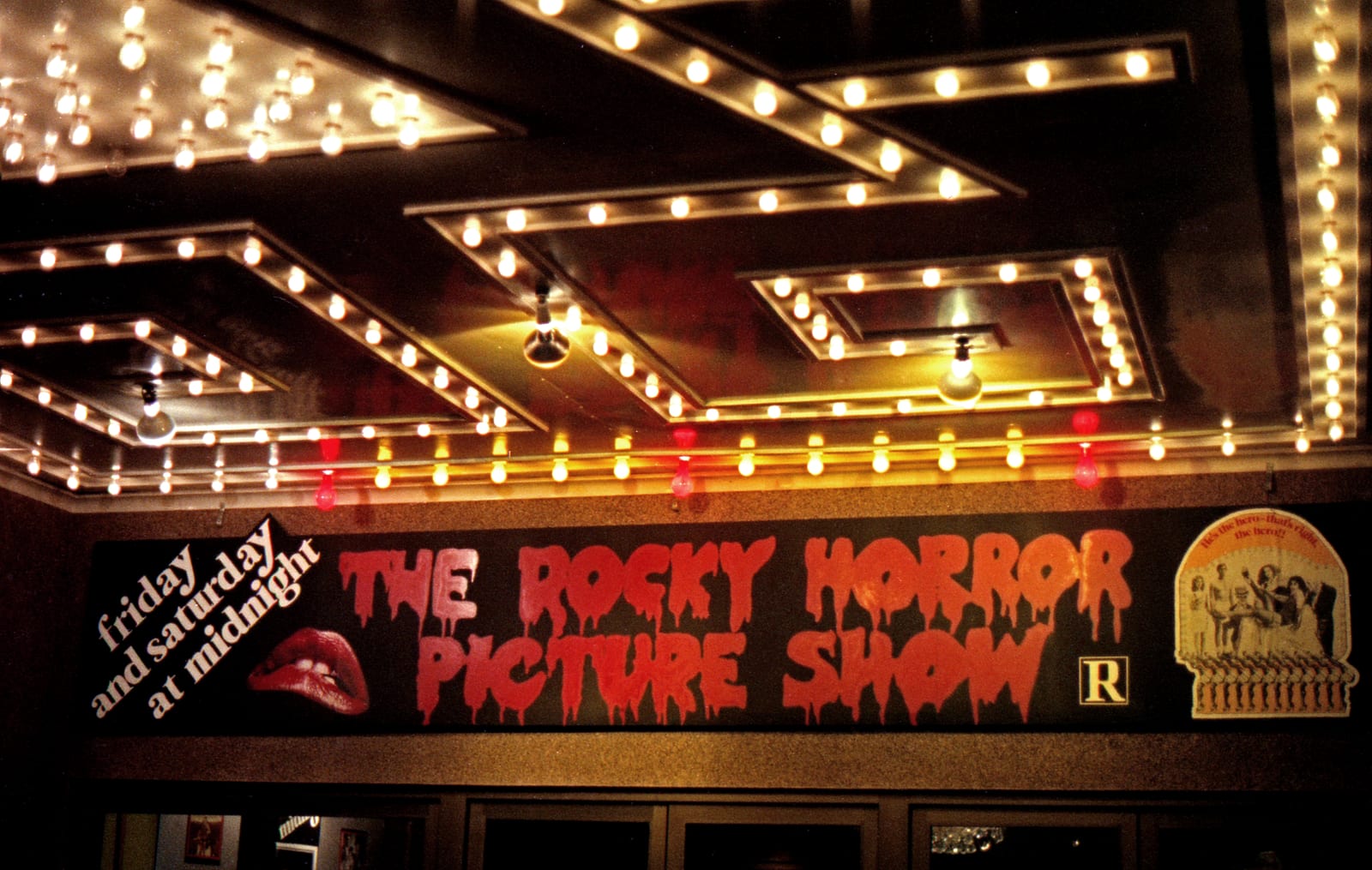
Frank-N-Furter is the character at the center of The Rocky Horror Show, and understanding who he is explains a lot about why the show has held onto its cult following for decades.
Who created Frank-N-Furter, and where does he come from?
Frank-N-Furter was created by Richard O'Brien for The Rocky Horror Show, the stage musical that premiered in the early-to-mid 1970s before being adapted into the 1975 film The Rocky Horror Picture Show. Within the story, Frank-N-Furter is a mad scientist and an alien, described as being from the planet "Transsexual," located in the galaxy "Transylvania," according to the character's Wikipedia entry. That planet-and-galaxy naming is deliberately absurd, riffing on Gothic horror tropes (Transylvania, home of classic vampire lore) while working in a play on "transsexual" that signals the character's gender-bending identity from the outset.
Frank-N-Furter functions as the story's main antagonist, the same source confirms — the character around whom the plot's chaos, experimentation, and seduction largely revolve.
What does the name "Frank-N-Furter" actually mean?
The name is a pun, and recognizing it helps explain the character's tone before you even watch a scene. According to Wikipedia, "Frank-N-Furter" nods to two things at once: Victor Frankenstein, the classic mad-scientist archetype who creates artificial life, and "frankfurter," the sausage. It's a joke that fits the character's role in the story: like Frankenstein, Frank-N-Furter is a scientist who creates a being (Rocky) in a lab, but the campy, food-based half of the pun undercuts any straightforward horror-movie seriousness. That mix of genuine Gothic-monster-movie structure with intentional camp and humor is part of what makes the character distinctive rather than just a straight parody of one genre.
Why is Tim Curry so associated with the role?
Tim Curry played Frank-N-Furter in the original stage production and reprised the role in the 1975 film. Per the character's Wikipedia page, his performance both originated and shaped how the character has been portrayed since, and it's described there as his most memorable role. That's a subjective assessment rather than an objectively provable fact, but it's a consistent one: other actors have played Frank-N-Furter in subsequent productions and adaptations, yet Curry's performance remains the reference point the character is most identified with. If you know the role mainly through cultural references or Halloween costumes, there's a good chance the image you're picturing traces back to Curry's specific performance rather than the character as written in the abstract.
Why is Frank-N-Furter considered a queer icon?
Frank-N-Furter is described as a queer icon with a devoted cult following on the character's Wikipedia page, and other commentary echoes that framing — for instance, The Bristorian characterizes Frank-N-Furter as an iconic queer-culture figure whose image is closely tied to the broader Rocky Horror phenomenon. It's worth being precise about what kind of claim this is: it's a reported characterization repeated across a small number of sources reviewed here, rather than something backed by an official or primary source, so it's best understood as a widely echoed description rather than an independently verified classification. Still, it lines up with what's confirmed about the character: a gender-nonconforming, sexually fluid persona built into the character's alien backstory and design from the start, not something layered on after the fact by fans or later productions.
That combination — a character whose in-story identity already plays with gender and sexuality, performed by an actor whose take on the role became closely identified with it — is a big part of why Frank-N-Furter shows up so often in conversations about queer representation in mid-1970s pop culture, even though the character predates modern vocabulary around gender identity and the terminology used in the original show reflects its own era.
What role does Frank-N-Furter play in the story itself?
As the story's antagonist and central mad-scientist figure, Frank-N-Furter drives much of the plot's action: creating life in a lab, drawing outsiders into an unfamiliar and destabilizing world, and generally functioning as the character other characters react to and are changed by. Keeping this framing in mind — scientist, alien, antagonist, and gender-fluid figure all at once — makes it easier to track why the character commands so much of the story's energy rather than being a straightforward villain in the traditional sense.
What's still unclear or a matter of interpretation?
A few things about Frank-N-Furter are better understood as ongoing interpretation than settled fact. The character's status as a "queer icon" is a characterization repeated in commentary and fan-facing sources rather than a claim tied to a single authoritative or official source, so it's more accurate to describe it as a consistent description across the sources reviewed than an indisputable classification. Likewise, calling Curry's performance the character's "most memorable" reflects a widely shared impression in the sources rather than an objectively settled ranking. How audiences and critics have understood the character's gender and sexuality has also shifted over the decades since the debut, and the sources reviewed here don't establish a single fixed reading — only that fluidity and gender-nonconformity are core, intentional parts of the character as written and performed.
What is better supported: Frank-N-Furter is a specific, deliberately constructed character — created by Richard O'Brien, built around puns and Gothic-horror parody, and most closely associated with Tim Curry's performance — whose enduring cultural pull comes from that unusual combination of camp, horror, and gender-fluid identity landing all at once.